Supporting Seniors Through the Loss of a Spouse While in Assisted Living
When Aging and Grief Intersect, Heathwood Assisted Living Is Here
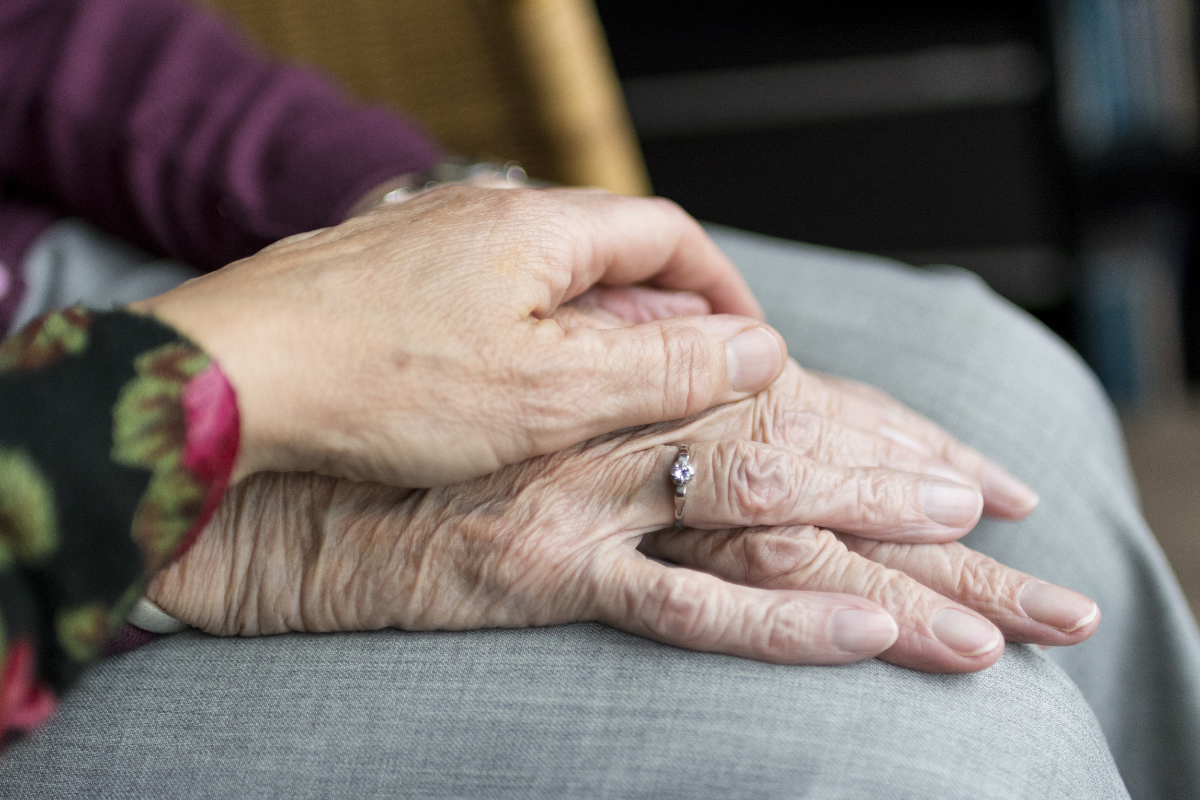
Many couples decide to move into an assisted living facility together, but what happens when one spouse passes away? After the passing, the surviving spouse might be left bereft and adrift. That’s when the staff of the facility springs into action.
Here at Heathwood Assisted Living, we keep both emotional support and practical considerations in mind. We play a vital role in comforting residents through the grieving process, staying sensitive to privacy and monitoring emotional wellbeing. We also recognize that community support becomes even more important during this time, including friendships, familial bonds, and social engagement.
We’ll discuss the support that assisted living communities can provide residents as they work through the grieving process, as well as how senior bereavement support works differently than support for younger people. We’ll also show how Heathwood Assisted Living specifically supports residents who have recently lost a spouse or long-term partner.
How Assisted Living Communities Support Seniors During Bereavement
Assisted living communities support grieving seniors by providing on-site counseling, specialized support groups, and trained staff who offer emotional, spiritual, and daily practical assistance. These communities reduce isolation through social activities, commemorative events, and peer support. The goal is to help residents process loss and build new relationships while maintaining healthy routines.
Key Support Strategies in Assisted Living
- Grief Support Groups & Counseling: Communities often offer peer-led or professional support groups where residents can discuss their losses and find comfort in shared experiences.
- Trained & Compassionate Staff: Caregivers and staff are trained to recognize signs of prolonged grief and offer emotional support, often acting as companions who understand the resident's history.
- Remembrance Events & Rituals: Facilities may hold memorial services, memory-sharing circles, or creative arts programs (painting, music) to help seniors honor loved ones and express their emotions.
- Practical & Daily Support: Tasks like meal preparation and housekeeping can feel overwhelming during bereavement. The staff of the facility takes care of these routine tasks, reducing stress on grieving seniors.
- Spiritual Care: Access to chaplains, prayer services, or meditation sessions can help to comfort and guide bereaved residents.
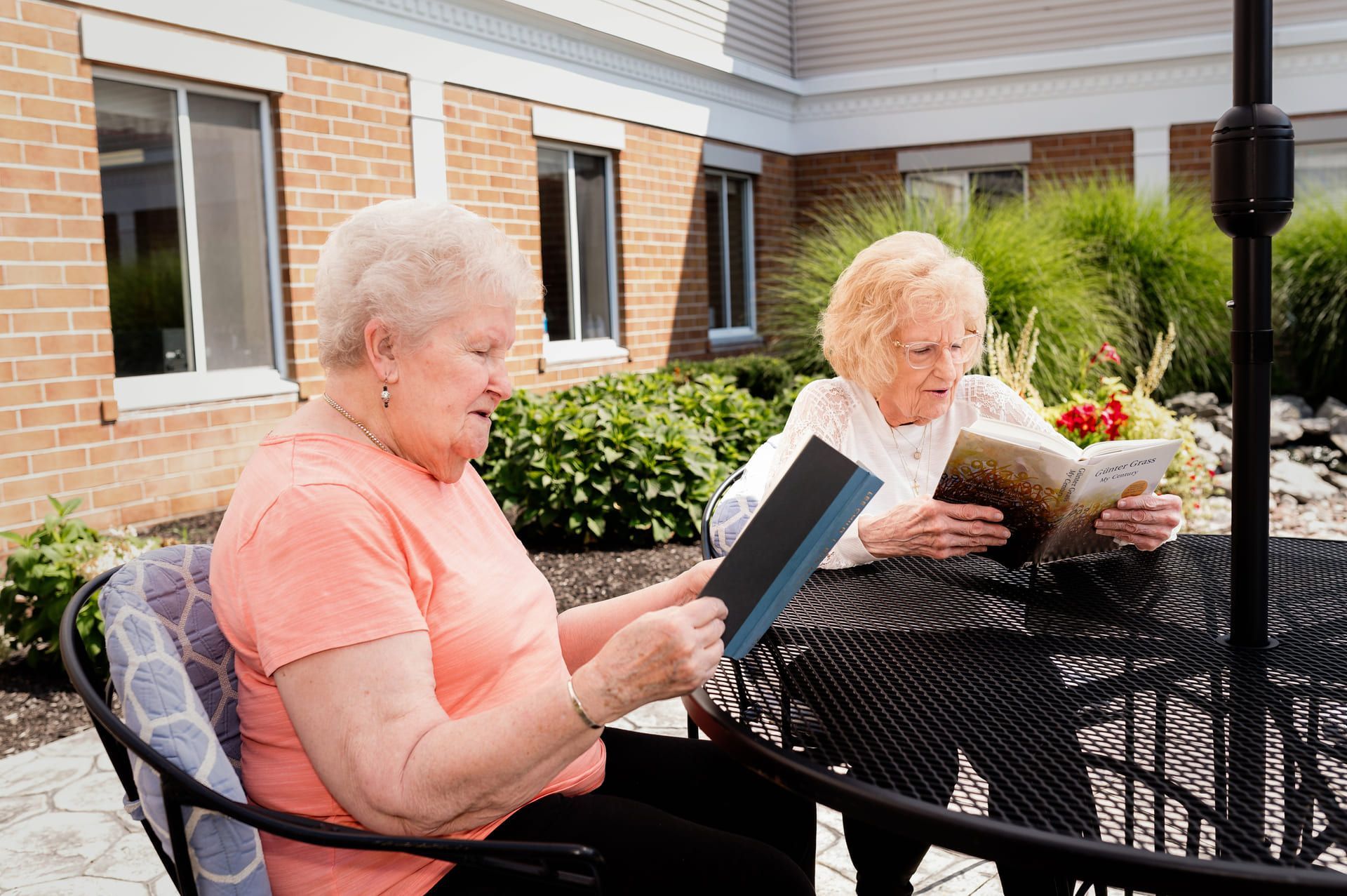
- Encouraging Socializing & Routine: Assisted living facilities encourage their residents to participate in activities, exercise, and social gatherings to combat isolation and maintain a sense of purpose.
Involving Family and Community
While an assisted living facility can provide a great deal of support to a recently bereaved resident, the staff can’t do it alone. Communities encourage families to be part of the support process through regular visits, phone calls, or video chats, and by helping loved ones maintain a familiar, comforting environment. Many facilities also make hospice care teams available for up to a year following a loss to offer specialized support.
How Older Adults Grieve Differently Than Younger Adults
Older adults often experience grief as a "layered" or cumulative process, managing multiple losses—including peers, partners, health, and independence—simultaneously. While younger adults may face sudden, life-disrupting trauma, older adults may face "bereavement overload," leading to higher risks of physical health decline, cognitive confusion, and deeper, long-term social isolation.
Here are some of the ways that grief differs in older adults:
- Cumulative Loss and "Bereavement Overload": Older adults often face the death of a spouse, siblings, and friends in close succession, leading to a sense of compounded, unending grief.
- Physical and Cognitive Impact: Grief in seniors is frequently more intense physically, leading to decreased appetite, severe sleep disruption, and weakened immunity. It can also cause temporary, high-intensity confusion or disorientation.
- Loss of Independence/Identity: Grief isn't just about death. It includes the loss of autonomy, loss of home, and decline in health, which can diminish a sense of purpose.
- Isolation and Support Structures: While seniors may have more life experience in dealing with loss, they may also have fewer social outlets and less support compared to younger adults, increasing the risk of profound loneliness.
- Coping Styles: Older adults may be more likely to use "repressive" coping (focusing on practical matters or maintaining a calm exterior) or they may look for meaning, utilizing life experience to cope with the loss.
Key Differences in Coping and Response:
- Time Needed: Older adults might need more time to process their emotions, but paradoxically, they often face pressure to "get over it" sooner.
- Functional Focus: Seniors may struggle more with practical tasks, such as managing finances, navigating legal matters, or keeping up with daily routines after a spouse or long-term partner dies.
- Reduced Social Circles: Friends and peers who once offered support may themselves be deceased or ill, restricting the support network.
How Heathwood Assisted Living Supports Residents During the Grieving Process
The staff at Heathwood Assisted Living provides concerned, attentive care for each resident. We monitor all residents closely to make sure they are doing as well as possible, both physically and emotionally. Each care plan is designed to meet the specific needs of the individual. We also offer plenty of opportunities for residents to develop friendships and bonds. These are indispensable when it comes to the grieving process. Other residents who have been through the loss of a spouse or partner will be able to offer advice and emotional support. Additionally, there are plenty of daily activities to help keep the mind occupied.
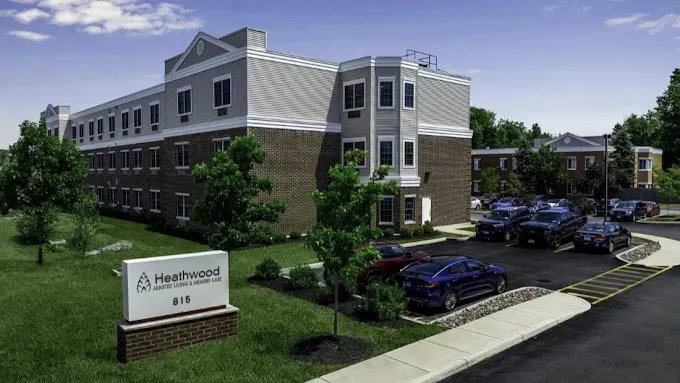
Heathwood Assisted Living has locations in
Penfield and
Williamsville. If you’d like to learn more about what we offer or schedule a tour, please contact us at your earliest convenience.
Contact Us