What Are the 7 Stages of Dementia? Signs, Symptoms & Supportive Care
How to Tell the Difference Between Normal Forgetfulness & Dementia
Dementia does not develop overnight. It typically progresses through stages, usually categorized as early (mild), middle (moderate), and late (severe). Doctors have developed a detailed 7-stage model describing increasing cognitive and functional decline, from occasional forgetfulness to needing total care. As a person progresses through the stages, the condition will affect their memory, thinking, and daily activities like dressing or eating. It’s important for loved ones to be able to identify the early stage of dementia so they can help the patient access treatment that may be able to slow the progression of the condition.
This blog post will go over the Clinical Dementia Rating (CDR) scale describing the stages of dementia and how to tell if it is progressing and how quickly it progresses, and dementia fatigue symptoms. We’ll conclude by sharing how assisted living and memory care can benefit people with dementia.

The 7 Stages of Dementia (CDR Scale)
Stage 1: No Impairment
No noticeable symptoms; no memory loss.
Stage 2: Very Mild Decline (Age-Related Memory Loss)
Forgetting names or misplacing items; subtle changes hard to distinguish from normal aging.
Stage 3: Mild Decline (Mild Cognitive Impairment)
Difficulty with complex tasks, remembering recent events, or finding words; may get lost.
Stage 4: Moderate Decline (Mild Dementia)
Trouble with daily tasks, memory lapses about personal history, difficulty with planning.
Stage 5: Moderately Severe Decline (Moderate Dementia)
Needs help with daily tasks (dressing, bathing); confusion about time and place; can still recognize familiar people.
Stage 6: Severe Decline (Moderately Severe Dementia)
Significant personality changes, need help with most self-care, loss of awareness.
Stage 7: Very Severe Decline (Severe Dementia)
Loss of ability to communicate, walk, or perform basic functions; requires total care; end-stage.
How to Know If Dementia Is Getting Worse
If a loved one has been diagnosed with a form of dementia, it’s important to
watch for signs that the condition is progressing. These include increased confusion, communication breakdown (trouble finding words or speaking), memory loss (especially recent events and faces), behavioral changes (agitation, withdrawal, aggression, hallucinations or delusions), loss of independence (difficulty bathing, dressing, and eating as well as incontinence), mobility decline, and sleep pattern changes.
Dementia is a progressive disease, and typically patients will eventually require full-time care. A sudden worsening could signal a medical issue, requiring a doctor's visit.
How Fast Does Dementia Progress?
Dementia progression varies greatly, from slow declines over several years to rapid declines over just a few months, depending on the type (like Alzheimer's vs. vascular), the patient’s age, and other health issues. However, dementia generally moves through early (2 years), middle (2-4 years), and late (1-2 years) stages, with some patients living 8-12 years post-diagnosis. Factors like genetics, other conditions (diabetes, heart disease), and general health management significantly influence speed. Some rapid forms of dementia are treatable if caught early.
What Are Dementia Fatigue Symptoms?
Many patients experience a specific cluster of symptoms known as dementia fatigue. These symptoms include extreme tiredness, frequent daytime naps, difficulty waking up, reduced ability to complete daily tasks, poor appetite, increased restlessness (especially at night, known as sundowning), irritability, and overall lack of energy, often due to disrupted sleep patterns and brain changes. This fatigue can worsen mood, increase confusion, and lead to behavioral changes as the day progresses.
When Does Dementia Become More Than “Normal Aging?”
When cognitive issues, like memory loss or thinking problems, start interfering with daily functioning, it’s a sign that you’re dealing with dementia, not normal aging. An elderly adult without dementia may lose track of where they left their keys, but they should be able to manage their finances, drive, and remember their medications. An elderly adult with dementia will move from occasional forgetfulness to significant impairment.
To put it another way: normal aging involves minor memory lapses (e.g., forgetting why you entered a room), but dementia involves
progressive decline impacting independence. Mild cognitive impairment is an intermediate stage between the two, notes
Stanford Medicine.
How Assisted Living and Memory Care Can Support Seniors During Each Phase
Assisted living and memory care support seniors through early and late stages of dementia by offering escalating levels of personalized care, dignity, and attention. Assisted living provides general support while memory care offers specialized, secure environments with dementia-trained staff, tailored therapies (like music and art), and consistent routines to manage cognitive decline. At all stages, residents are helped to stay as independent as possible through simplified tasks, respect, and validation of the individual's personhood. High-quality assisted living and memory care focus on emotional well-being and cognitive engagement as needs evolve.
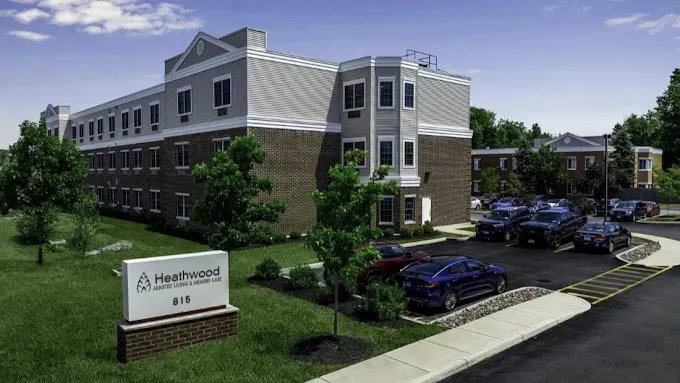
Heathwood Assisted Living has been a leader in memory care for many years. Our staff members use proven techniques in a secure environment to help residents with dementia feel calm and right at home. Each staff member is trained in evidence-based practices. We have two locations in Penfield, NY and Williamsville, NY. If you’d like to learn more or schedule a tour, please contact us.
Contact Us