Stroke vs. Aneurysm: Spotting the Difference and How We Stay Prepared
The Differences in Cause & Prevention
Many people believe that a stroke and an aneurysm are essentially the same thing. However, these are two distinct medical events with different causes, and they typically require different treatment and prevention programs. Strokes can especially be a problem for the elderly, and families worry about their loved ones suffering from a stroke, especially if those loved ones are in an assisted living facility.
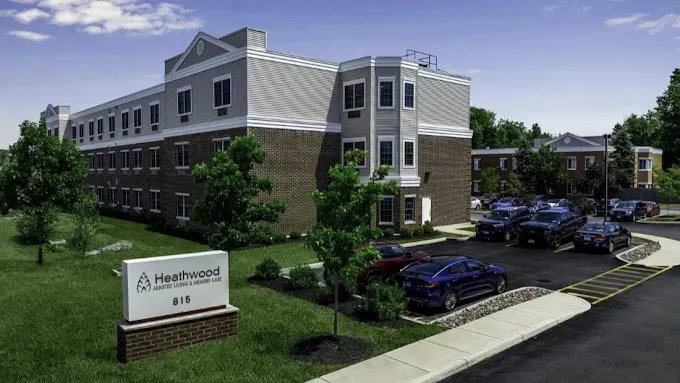
The good news is that while the average person may not fully understand what separates an aneurysm vs. a stroke, we here at Heathwood Assisted Living do. We’ve put together this blog post to discuss the differences between strokes and aneurysms, helping you and your family stay educated and informed. And of course, we’re also eager to show you how our senior living facility aims to prevent, manage, and ensure our residents get swift treatment for strokes and aneurysms.
Is an aneurysm the same thing as a stroke?
An aneurysm is a weak, bulging blood vessel, while a stroke is the sudden interruption of blood flow to the brain. A ruptured or burst aneurysm can cause a stroke (typically called a hemorrhagic stroke), but most strokes (ischemic strokes) come from clots, making aneurysms and strokes distinct but related conditions. The key difference is that an aneurysm arises from a structural problem (a bulge), whereas a stroke is a circulatory event (a blockage or bleed). A stroke always needs emergency care, while many aneurysms are silent until they rupture.
What are the symptoms of an aneurysm?
Aneurysm symptoms vary by location and whether the aneurysm has ruptured or not. A ruptured aneurysm is a medical emergency with sudden, severe symptoms like the "worst headache ever," stiff neck, nausea, vomiting, vision changes, or loss of consciousness. Unruptured aneurysms often have no symptoms, but they can cause pain, vision problems, or numbness if large. Specific signs depend on whether the aneurysm is in the brain (eye pain, droopy lid) or aorta (abdominal/back pain, fullness).
Can stress cause aneurysms?
Stress doesn't directly cause an aneurysm to form, but it significantly increases the risk of an existing one rupturing by raising blood pressure and triggering stress hormones, which put extra strain on blood vessel walls. Chronic stress can also lead to unhealthy habits like smoking or poor diet, further contributing to risk, while severe emotional stress or exertion can trigger a sudden rupture in vulnerable individuals, say Shore Physicians Group and
Penn Medicine.
Are strokes more common than aneurysms in the elderly?
Yes, strokes are significantly more common than brain aneurysms in the elderly. Strokes are a major public health concern, with the number of cases among the global elderly population rising to
approximately 8.19 million in 2021. The risk of stroke
approximately doubles for every ten years of life after age 55. The most common type, ischemic stroke, accounts for
about 85% of all cases.
Brain aneurysms are less prevalent, with estimates suggesting that
about 6.8 million Americans have an unruptured brain aneurysm, many of which never rupture or are discovered incidentally. In the US, a brain aneurysm ruptures every
18 minutes, which causes a type of hemorrhagic stroke. Hemorrhagic strokes, including those caused by ruptured aneurysms, account for only about
15-20% of all strokes.
Is it true that 80% of strokes can be prevented?
Yes, it's true that up to
80% of strokes are preventable. Prevention consists primarily of managing major risk factors like high blood pressure, cholesterol, diabetes, and unhealthy habits like smoking, inactivity, and poor diet. Regular medical checkups for conditions like atrial fibrillation are also invaluable. By controlling these factors and adopting healthy lifestyle changes, individuals can significantly lower their risk of having a stroke.
How Heathwood Assisted Living Can Help
Heathwood’s trained staff members can recognize the early signs of a stroke and respond quickly to medical events, helping keep residents safe. We understand the risks that many elderly residents face, and we’re prepared to handle all likely scenarios. We offer residents around-the-clock nursing supervision each day, enabling us to act quickly should anything happen. Our staff members monitor each resident closely to minimize risk and ensure residents get fast treatment when they need it.
Our senior living facility is designed for the comfort and security of all residents. Heathwood is also equipped to adapt to the changing needs of residents, which means they can stay here instead of moving to a higher level of care in many cases. We have two Western New York locations, one in Penfield and one in Williamsville. If you’d like to learn more about how we can help with stroke prevention or to schedule a tour of one of our locations, please get in touch with us.
Contact Us