Navigating Mental Health and Depression in Seniors
The Unique Mental Health Issues Seniors Face
While mental health issues can occur at any stage of life, they can be especially hard on senior citizens. Seniors face challenges like decreasing independence and the loss of loved ones, which can worsen mental health. As caregivers and loved ones, we need to keep an eye on our seniors’ mental health and help them access the care they need to weather the storms of this season of life.
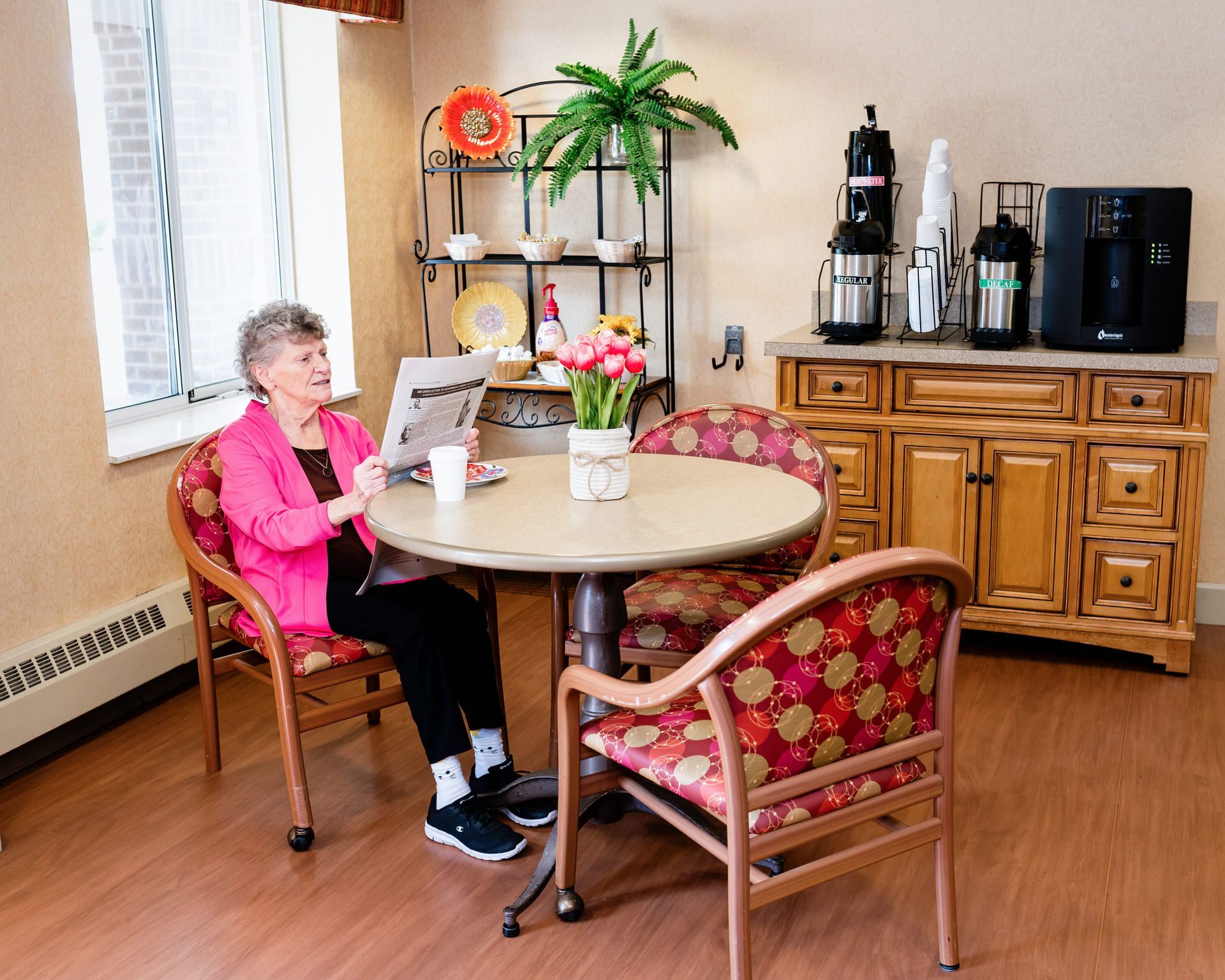
That’s why we host events and activities throughout the year—to help residents stay engaged, build meaningful relationships, and feel a sense of belonging within the community.
At
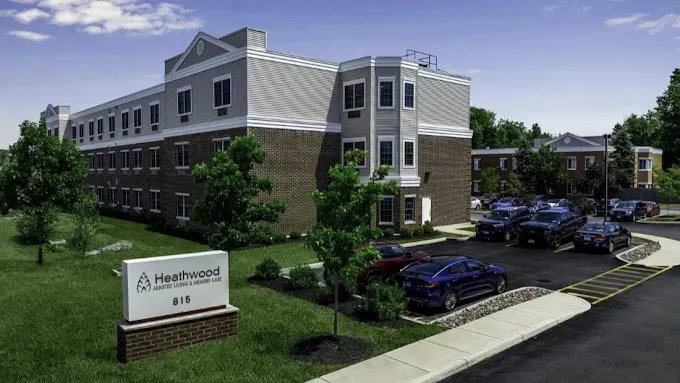
Heathwood Assisted Living, we understand the specific challenges seniors are likely to face, signs and symptoms to watch out for, and tips to help promote better mental health in seniors.

Understanding Mental Health Challenges in Seniors
Aging brings with it many potential mental health challenges. Factors like social isolation, loss of loved ones, chronic illness, and retirement can leave seniors struggling with depression or anxiety. Dementia, which is not a specific diagnosis but rather a description of overall mental function, can appear alongside these concerns and exacerbate them. Seniors who are struggling with their mental health often experience changes in mood, sleep, or appetite; difficulty concentrating; and physical aches. It's important to note that these are not a normal part of aging and are often treatable.
Common Challenges and Risk Factors
Depression and Anxiety: These are two of the most prevalent mental health disorders in older adults. Depression can present with physical symptoms like fatigue or aches, while anxiety can lead to excessive worry, nervousness, and avoidance of social situations.
Dementia: Conditions like
Alzheimer's disease can cause cognitive decline, memory loss, and personality changes. However, memory problems can also be a symptom of depression or a side effect of medication.
Social Isolation and Loneliness: Retirement, the loss of a spouse or friends, and mobility issues can lead to loneliness, which is a significant risk factor for mental and physical health problems, including depression and cognitive decline.
Life Changes: Major life transitions, such as retirement, can create stress and a feeling of lost purpose. These can have a negative impact on seniors’ mental health.
Physical Health: Chronic illnesses, disabilities, and certain medications are significant risk factors for developing mental health issues.
Common Signs and Symptoms of Depression in Seniors
Seniors who are struggling with depression often experience a range of physical and mental symptoms. Many report feelings of sadness, hopelessness, and loss of interest in activities, but physical symptoms like fatigue, sleep or appetite changes, and unexplained aches are also quite common. Other symptoms include irritability, difficulty concentrating, feelings of worthlessness or guilt, and thoughts of death or suicide. These signs can be mistaken for normal aging or physical illnesses, making them easy to overlook.
If someone you love is experiencing the following symptoms, encourage them to report these symptoms to their healthcare provider.
Emotional and Psychological Symptoms
- Persistent sadness, emptiness, or hopelessness
- Irritability, restlessness, or frustration
- Feelings of guilt, worthlessness, or helplessness
- Loss of interest or pleasure in hobbies and activities
- Low self-esteem
- Thoughts of death or suicide
Physical Symptoms
- Fatigue and lack of energy, even for small tasks
- Difficulty sleeping (insomnia or oversleeping)
- Appetite changes or weight loss/gain
- Unexplained physical problems like headaches, aches, and pains
- Slowed movement or speech
Cognitive and Behavioral Symptoms
- Difficulty concentrating, remembering details, or making decisions
- Social withdrawal
- Neglecting personal care
- Increased use of alcohol or drugs
How Heathwood Promotes Mental Wellness in Senior Living
At Heathwood Assisted Living, we take a holistic approach to emotional wellness — recognizing that mental health is just as important as physical health. Here’s how we actively support the emotional and psychological well-being of our residents every day:
1. Social Connection & Community
One of the most powerful antidotes to depression and anxiety in seniors is belonging. At Heathwood, we offer vibrant opportunities for social connection through:
- Daily recreational and enrichment activities
- Group outings and special events
- Shared dining experiences
- Clubs, games, and creative programs
- Friendly, engaged staff who build real relationships with residents
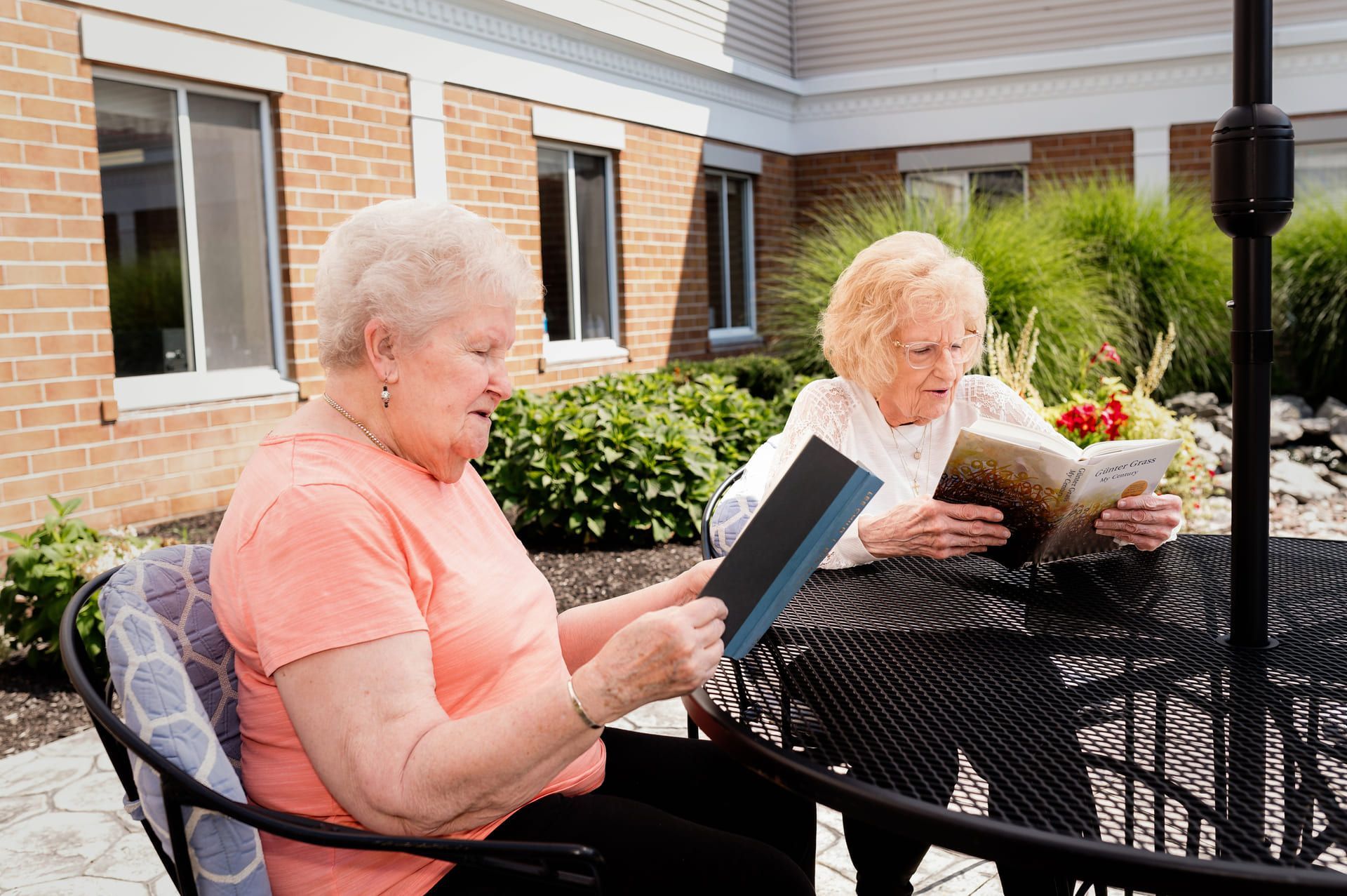
Many residents form new friendships and rediscover joy in the routine of social interaction — something that’s often lost at home when isolation sets in.
2. Consistent, Compassionate Staff Engagement
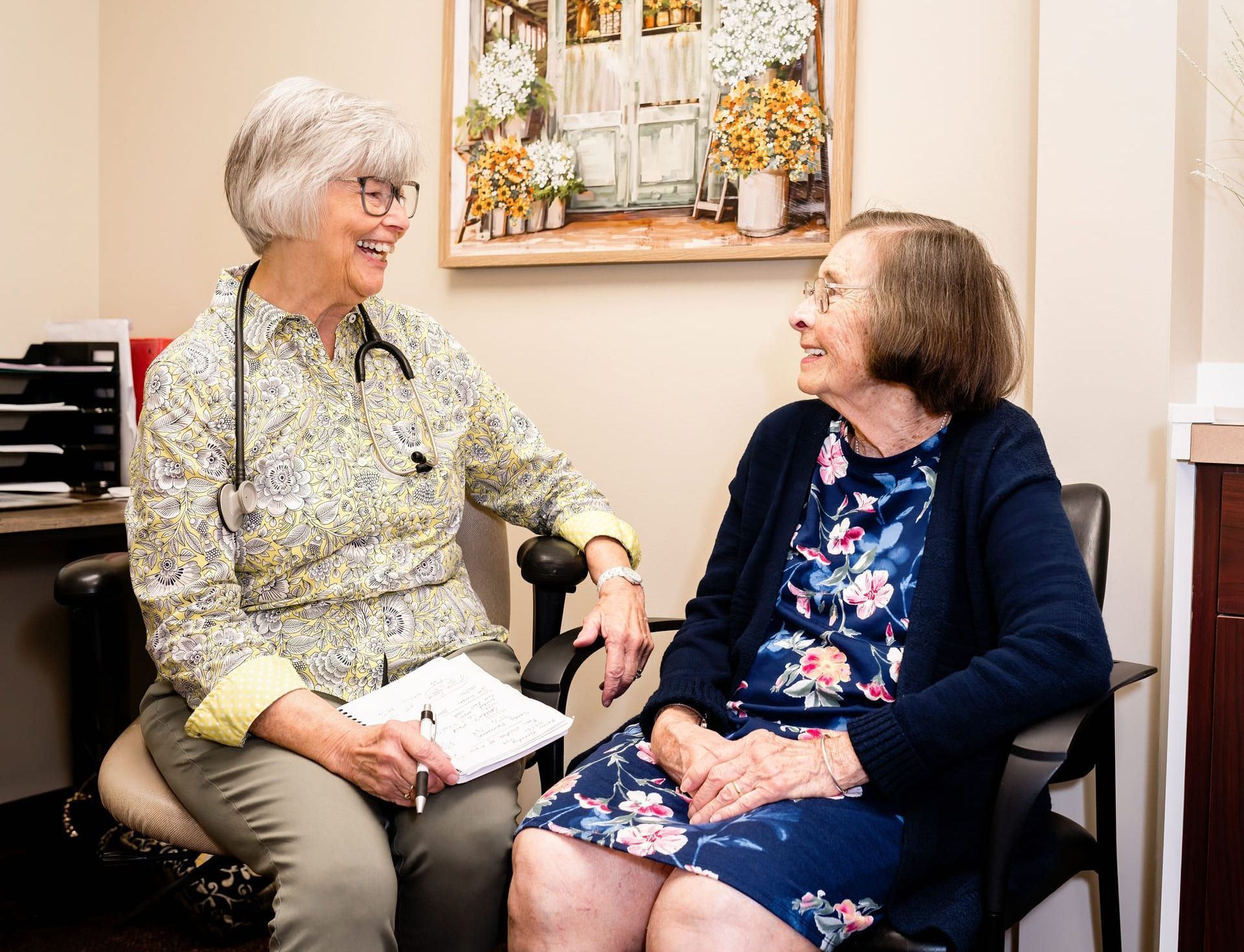
Our care team doesn’t just provide support — they build trust. Because our caregivers and nurses see residents every day, they’re able to recognize even subtle changes in mood, behavior, or emotional well-being.
We train our staff to:
- Identify early signs of depression or anxiety
- Promote engagement and conversation with empathy
- Notify clinical staff if emotional support is needed
- Work collaboratively with families and physicians
3. Structure and Routine
Many seniors experience anxiety or confusion when routines are disrupted. At Heathwood, we provide predictable, comforting structure each day — while also allowing room for personal choice. This balance can dramatically reduce emotional stress and improve overall mood.
4. Activities That Promote Mental Wellness
From art therapy and movement classes to gardening, pet visits, and music, our activities are designed to stimulate creativity and emotional resilience. Many programs are also tailored for cognitive support, offering memory-boosting exercises and sensory engagement.
Helping Your Loved One Transition Into a Supportive Environment
At Heathwood Assisted Living, we promote an environment of comfort and serenity. Our residents are encouraged to befriend each other and the staff to ensure social connections stay strong and fulfilling. Furthermore, our care staff and aides are trained to watch the health status of residents and promptly detect any changes. Every day, we aim to help our residents embrace and enjoy all that this stage has to offer.
Is this an environment that you think could benefit your loved one’s mental health? We’d love to get to know them better and see if they would enjoy living here. We have two campuses serving Western New York in Penfield and Williamsville. If you’d like to schedule a tour or learn more about what we have to offer, please get in touch with us.
Contact Us