Alzheimer’s vs. Dementia: What’s the Difference and How Does It Affect Care?
Dementia Is a General Term, Whereas Alzheimer’s Is a Specific Condition
Dementia and Alzheimer’s are two terms that come up frequently when discussing care for senior citizens. Both dementia and Alzheimer’s describe progressive cognitive decline that extends beyond normal, age-related decline. But what’s the difference between the two? And how does that difference affect the care a senior citizen receives in an assisted living facility or a nursing home?
We’ll discuss the differences between Alzheimer’s disease and dementia, as well as the different types of care each condition requires. Finally, we’ll talk about how the
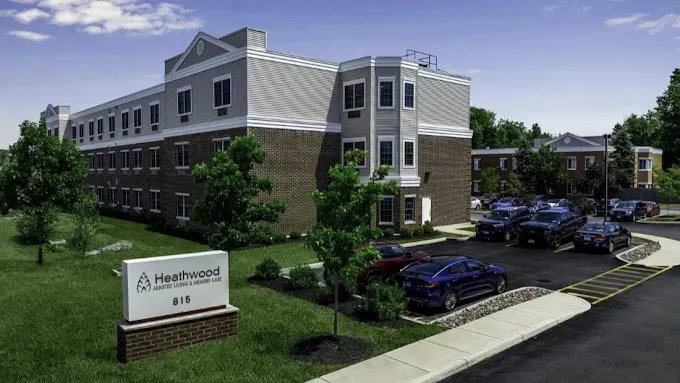
care programs available at Heathwood Assisted Living can benefit seniors living with either condition.

Key Differences: Alzheimer's vs. Dementia
Some people believe that Alzheimer’s disease and dementia are one and the same, but that’s simply not true. The difference between Alzheimer's and dementia is this:
dementia is an umbrella term for cognitive decline (memory loss, confusion), while Alzheimer's is a specific, progressive disease causing 60-80% of dementia cases. Dementia is the symptom set; Alzheimer’s is the disease. Care differs based on the specific condition the patient is living with, but Alzheimer’s often requires intensive, long-term care for memory loss and cognitive decline.
- Dementia (The Umbrella Term): A general term for a decline in mental ability severe enough to interfere with daily life, such as memory loss, thinking, and behavior. It covers various diseases, including Alzheimer’s, vascular dementia, and Lewy body dementia.
- Alzheimer’s Disease (The Cause): A specific, degenerative brain disease characterized by abnormal brain deposits (amyloid plaques and tau tangles) that destroy cells, leading to progressive cognitive decline.
- Symptoms: Memory loss and confusion are key symptoms of both conditions, but Alzheimer's typically starts with memory issues, while other dementias might start with behavior, movement, or language changes.
How Differences Affect Care
Understanding the difference between dementia and Alzheimer’s is only the first step. Next, it’s important to discuss how these differences affect the care our residents receive.
Tailored Treatments: Because Alzheimer's is a disease with specific causes, it has approved medications to manage symptoms (though no cure). Other dementias, like vascular dementia, may focus on managing vascular risks (blood pressure) to prevent further damage, notes the Alzheimer Society of Canada.- Progression and Prognosis: Alzheimer's is progressive and irreversible, meaning care needs increase as symptoms worsen. Residents often require higher levels of assistance with tasks like bathing and feeding as the disease moves into middle and late stages, says the Alzheimer's Association.
- Behavioral Needs: Some dementias, such as frontotemporal dementia (FTD), cause drastic personality changes earlier than Alzheimer's, requiring different behavioral management strategies, explains the UCLA Medical School.
Common Care Aspects
Regardless of the cause, dementia care generally requires a safe environment, daily routines, support for daily activities (ADLs), and specialized memory care,
says the Alzheimer's Association.
Memory care provides specialized, secure 24/7 care for residents with dementia and Alzheimer’s, focusing on behavioral management, structured routines, and specialized environmental design rather than just basic assistance. It supports Alzheimer’s specifically through tailored cognitive therapies and daily routines to handle progressive memory loss while providing dementia care by managing symptoms like agitation and wandering.
Memory care units in assisted living facilities often provide a higher staff-to-resident ratio.
Key Differences in Support Mechanisms
- Environment (Dementia Focus): Memory care settings are designed to reduce confusion and wandering, featuring secured entrances, enclosed courtyards, and simplified layouts that decrease stress.
- Specialized Staff (Alzheimer's/Dementia Focus): Caregivers are specially trained in handling specific behaviors associated with dementia, such as aggression, sundowning, and confusion.
- Structured Routine (Alzheimer's Focus): Because Alzheimer's is a progressive disease, memory care implements structured daily routines and personalized care plans that evolve to support the resident through different stages.
- Cognitive Stimulation (Dementia Focus): Activities are intentionally designed to improve mood and cognitive function, including music therapy, art therapy, and sensory stimulation, which are beneficial for various forms of dementia.
How Heathwood Supports Residents
Heathwood Assisted Living is a leader in memory care, helping us rank among the
best dementia aged care facilities
and Alzheimer's care facilities in Western New York. We employ specially trained staff members who use proven techniques to help residents feel comfortable. We offer one of the best programs available for individuals with special needs to those suffering from Alzheimer’s and other forms of dementia. Even if a resident enters our care without dementia symptoms or a specific diagnosis, we can adapt our services should a higher level of care become necessary. The goal is to help our patients remain in the safe, comfortable, welcoming space of Heathwood as long as possible.
We have two locations in
Penfield and
Williamsville. If you’d like to learn more about our facilities or our care program, please contact us.
Contact Us